
Sodiko now knows why its bottling lines stop
By Jorg Hendrikx, CEO, VlegelPublished on Updated on Reading time: 4 min
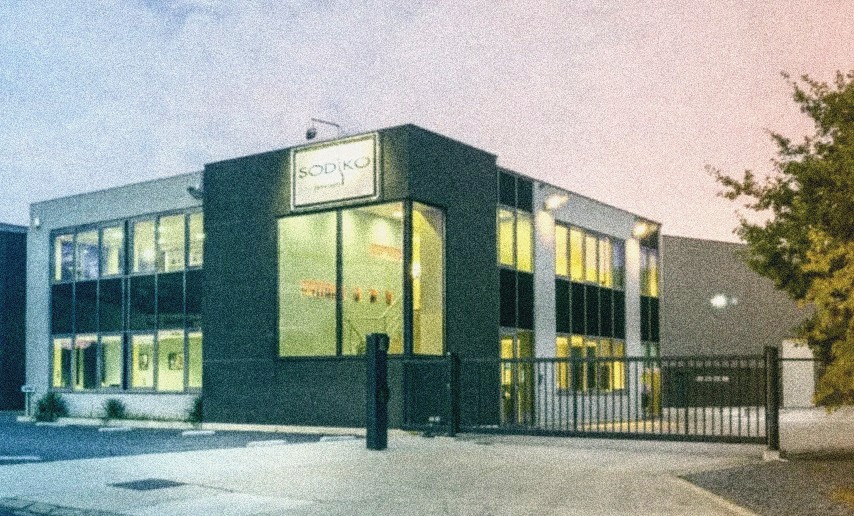
- Customer
- Sodiko
- Location
- Diepenbeek, Belgium
- Sector
- Drinks
Sodiko could see its bottling lines stopping, but not why. Today, a shopfloor app runs on four bottling lines. The machines provide the data, the operator enters the reason for each stoppage on their screen, and everyone sees the same OEE. Sodiko now knows which line loses the most time, and why.
Who is Sodiko?
Sodiko has been bottling drinks in Diepenbeek since 1991: sparkling drinks with and without alcohol, and spirits from its own distillery.
What was the problem?
The bottling lines kept stopping, and management could see that. But not why.
If you don't know why a line stops, you don't know where to start. A new machine? More maintenance? A different schedule? Sodiko had one question: why do our lines keep stopping?
What did we do?
We didn't start with all the lines at once, but with those that already had data. The first line became the template for the rest.
- Connect. We connected the machines. Whenever a line runs, stops or slows down, that data comes in automatically.
- Collect. All the data is in one place, with a clear name and meaning for each signal. That lets you compare the four lines side by side.
- Give the operator a voice. Data shows that a line stopped, not why. The operator knows. They enter the reason for each stoppage on the screen at their line.
- Understand. The app calculates OEE for each line: the share of planned time that actually produces good bottles. Plus an analysis across all lines.
Who sees what?
- The operator sees their own line: what's happening now, and every stoppage during their shift, with the reason.
- Management sees all lines side by side: OEE for each line and the reasons for stoppages.
What does it deliver?
Previously, management could see that lines were stopping, but not why. Now they can see which line loses the most time, and what causes it. Operators and management work from the same figures.
Sodiko now knows where to start.
What's the next step?
The foundations are in place. Every stoppage now has a reason, and every signal has a name and a meaning. There's room to build on that: manuals, work instructions and operators' experience, all in one place. Then, when a line stops again, AI can suggest a likely cause and cite its source. The operator decides, and the AI only reads from that data layer, never directly from a machine.
Frequently asked questions
What is a shopfloor app?
An application on the shop floor that brings machine data and operator input together, so everyone, from operators to management, sees the same figures.
Why does the operator enter the reason for a stoppage?
Because a machine knows it has stopped, but not why. The operator does. That combination makes OEE useful.
Do you have to tackle all the lines at once?
No. Sodiko started with the lines that already had data. The first line became the template for the next.